

Drive-In Racking Solutions for High-Density Warehouse Storage
As warehouse space becomes increasingly valuable, businesses are looking for smarter ways to maximise storage capacity without expanding their footprint. Drive in racking is one of the highest-density pallet storage systems available, making it a popular choice for warehouses, distribution centres, and cold storage facilities across Australia. By reducing the number of access aisles required, drive-in racking helps businesses store more pallets within the same floor area while improving overall storage efficiency.
At Shelving Supply Australia (SSA), we work with businesses to design practical storage solutions tailored to their operational requirements. Whether you're planning a new warehouse fit-out, expanding an existing facility, or relocating to a larger premises, our team can help configure a drive-in racking system that supports both your inventory profile and future growth plans.
Filters
This collection is empty
View all products
Sort by
Related collections
What is Drive-In Racking?
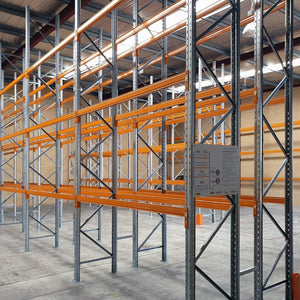
Drive in racking is a high-density pallet storage system that allows forklifts to drive directly into the racking structure to place and retrieve pallets. Unlike selective pallet racking, which requires multiple access aisles, drive-in racking stores pallets within deep storage lanes to maximise available warehouse space.
Drive-in racking typically operates on a First-In, Last-Out (FILO) inventory management principle. This means the last pallet loaded into a lane is the first pallet retrieved. For this reason, each lane is generally dedicated to a single SKU, making drive-in racking ideal for businesses storing large volumes of the same product.
Because fewer aisles are required, businesses can achieve significantly higher storage density while maintaining efficient forklift access to inventory.
Why Businesses Choose Drive-In Racking
Maximise Your Available Warehouse Space
One of the biggest advantages of drive-in racking is its ability to maximise cubic warehouse space.
Benefits include:
- Significantly reducing the number of access aisles required
- Increasing pallet storage capacity within the same footprint
- Making better use of available warehouse height
- Delivering one of the highest-density pallet storage systems available
Improved Warehouse Efficiency
Drive-in racking helps businesses increase storage capacity without the need for costly warehouse expansions.
By optimising existing space, businesses can:
- Improve warehouse organisation
- Reduce storage costs per pallet position
- Increase operational efficiency
- Delay the need for additional facilities
Ideal for High-Volume Inventory
Drive-in racking performs best in environments storing large quantities of the same SKU.
It is particularly effective for:
- Bulk inventory storage
- Seasonal stock requirements
- Products with predictable turnover patterns
- Operations managing low SKU counts and high pallet volumes
Suitable for Cold Storage Applications
Cold room and freezer environments often come with significant operating costs. Drive-in racking helps maximise every available square metre.
Benefits include:
- Increased storage density within refrigerated spaces
- Reduced overall cold room footprint requirements
- More efficient use of expensive temperature-controlled environments
Industries That Benefit from Drive-In Racking
Food and Beverage
Food manufacturers and distributors often store large volumes of the same products. Drive-in racking supports bulk storage while helping maximise available warehouse capacity.
Cold Storage and Refrigeration
Businesses operating refrigerated facilities benefit from higher storage density, helping reduce the cost per pallet position within temperature-controlled environments.
Manufacturing
Drive-in racking supports the storage of raw materials and finished goods where inventory is held in larger quantities.
Wholesale and Distribution
Wholesalers can increase pallet capacity without expanding their premises, making better use of existing warehouse space.
Retail Back-of-House Storage
Retail businesses managing seasonal inventory or promotional stock can use drive-in racking to maximise storage capacity while keeping bulk stock organised behind the scenes.
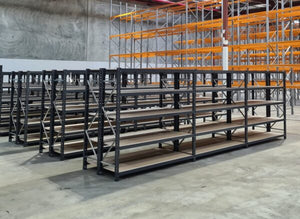
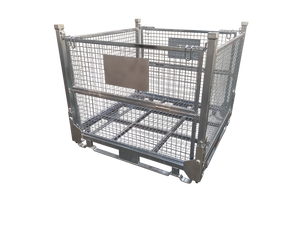
While drive-in racking is designed for palletised goods, businesses often complement their warehouse setup with additional shelving for hand-loaded items, storage cabinets for secure equipment storage, and stackable storage containers for organising smaller components and consumables.
Practical Tips for Selecting Drive-In Racking
Assess Your Inventory Profile
Drive-in racking is best suited to businesses storing large quantities of identical products.
Consider:
- The number of SKUs being stored
- Average pallet volumes
- Inventory turnover rates
- Whether a FILO inventory approach aligns with your operations
Work with Storage Specialists
Drive-in racking systems require careful planning to ensure they support both operational efficiency and compliance requirements.
Shelving Supply Australia provides:
- Free warehouse layout and design services
- On-site measurement and consultation
- Advice tailored to inventory characteristics and forklift operations
- Installation completed in accordance with relevant Australian Standards (AS4084:2023)
Prioritise Layout and Design
Every warehouse is different.
The right drive-in racking layout should consider:
- Product dimensions
- Forklift operating requirements
- Available warehouse space
- Desired storage density
- Future business growth
A well-designed drive-in racking system should not only suit your current inventory requirements, but also allow for future business growth and changing operational demands. Planning ahead can help minimise disruption and avoid costly modifications as your business evolves.
Plan for Operational Efficiency
Effective drive-in racking design goes beyond maximising pallet positions.
It should also support:
- Efficient forklift access
- Appropriate lane depths
- Practical rack configurations
- Safe warehouse workflows
Common Pitfalls to Avoid
Choosing the Wrong Inventory Type
Drive-in racking performs best in high-volume, low-SKU environments. Businesses requiring frequent access to multiple SKUs may benefit from alternative storage solutions.
Ignoring Safety and Compliance Requirements
Drive-in racking should always be designed, installed, and maintained in accordance with relevant Australian Standards. Ensuring operators receive appropriate training is equally important.
Neglecting Routine Inspections
Regular inspections help identify damage before it affects the integrity of the racking system. Damaged components should be repaired or replaced promptly to maintain a safe operating environment.
Why Choose Shelving Supply Australia for Drive-In Racking?
With a combined 35 years of industry experience, SSA understands that no two warehouses operate the same way.
Businesses choose SSA because we offer:
- Free warehouse layout and design services
- On-site measurement and consultation
- Installation completed in accordance with AS4084:2023
- Practical advice tailored to your inventory profile
- Assistance with warehouse relocations and system expansions
- Australia-wide supply and support
- Ongoing guidance from an experienced team
Our goal is to help businesses create storage solutions that maximise capacity while supporting safe and efficient operations.
Drive-In Racking Solutions for High-Density Warehouse Storage FAQs
Speak with Our Team About Drive-In Racking
Drive-in racking is one of the most space-efficient pallet storage systems available, making it an excellent choice for businesses storing high volumes of identical products. Whether you're planning a new warehouse fit-out, expanding your storage capacity, or relocating to a larger facility, our team can help design a solution tailored to your requirements.
Shelving Supply Australia offers free warehouse layout and design services, including on-site measurement and consultation, to help you maximise storage capacity while supporting safe and efficient operations.
If you're considering drive-in racking for your facility, our team can help you determine whether it's the right fit for your operation. Get in touch to arrange a free consultation or request a quote.